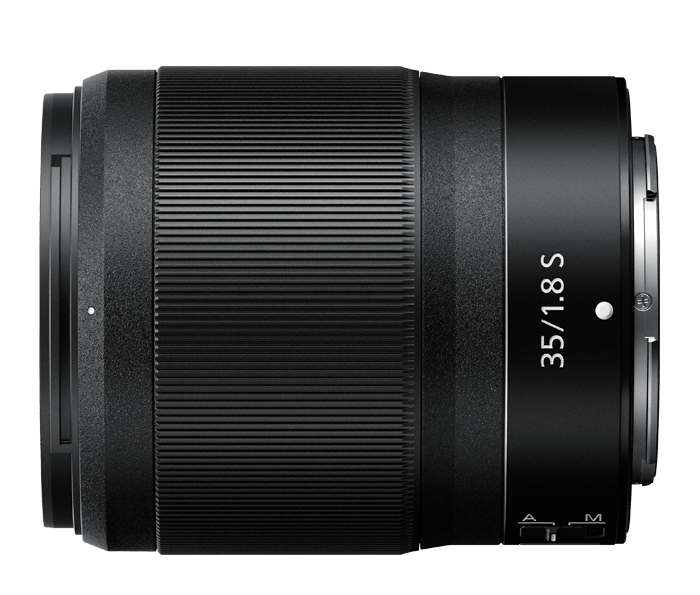



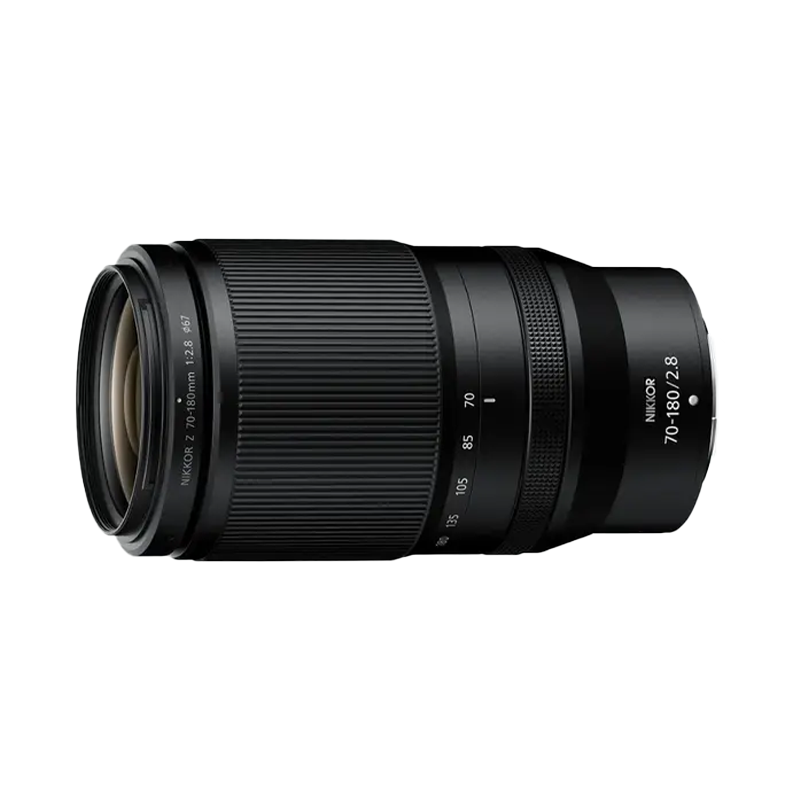
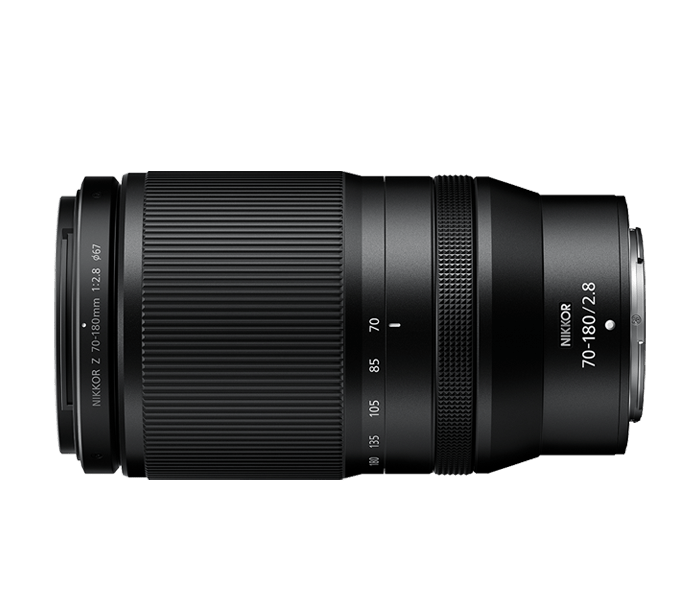
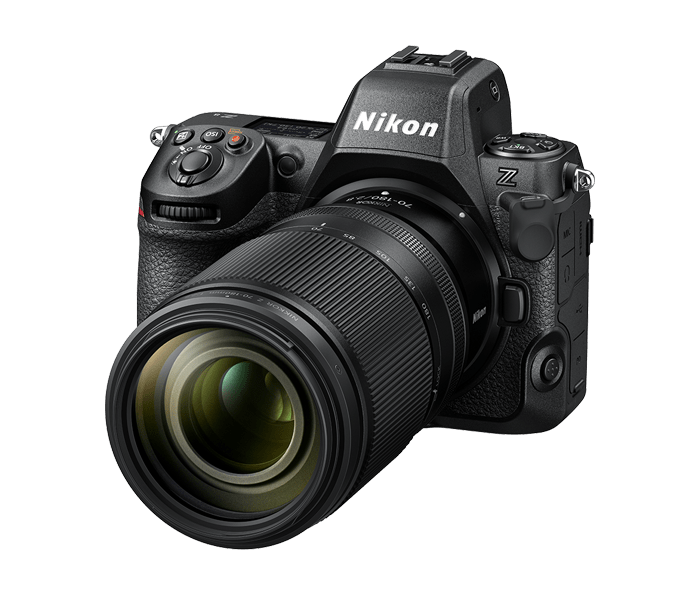
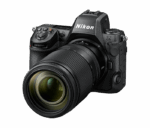


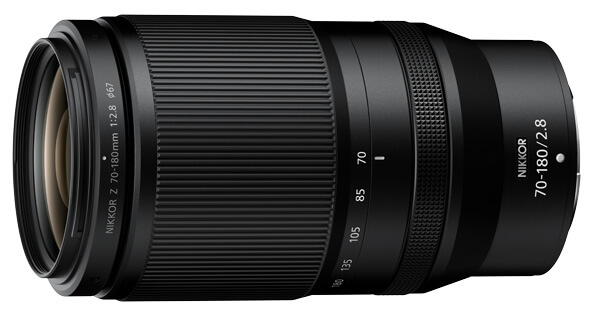
Essential f/2.8 telephoto zoom, smaller than ever.
70-180mm Telephoto Zoom
f/2.8 Constant Aperture
Compact 151mm, 795 g
Z Mount Full-Frame/FX Format

The f/2.8 difference.

Beautifully blurred backgrounds.

More detail in low light.

Telephoto versatility.

Macro-style close focusing.

When close focusing on flat subjects at f/2.8 in the 70mm zoom position, softness will be evident at the frame edges.

Lightweight design defies convention.

Suppressed focus breathing.
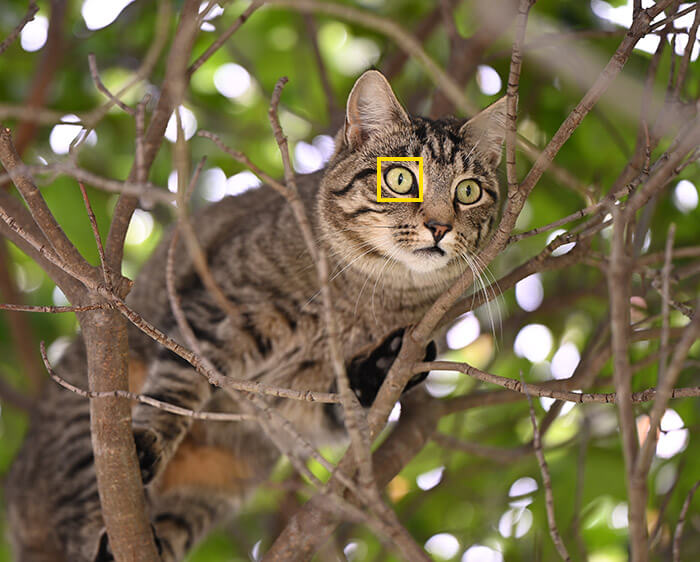
Tracks eyes with ease.
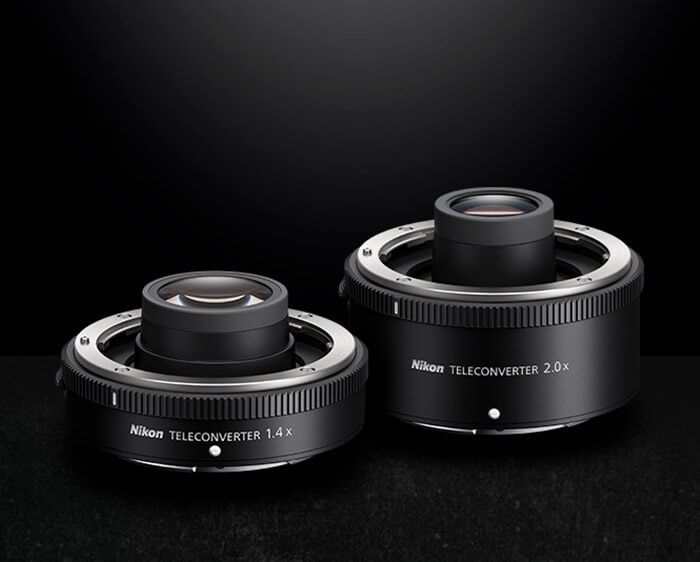
Add even more reach.
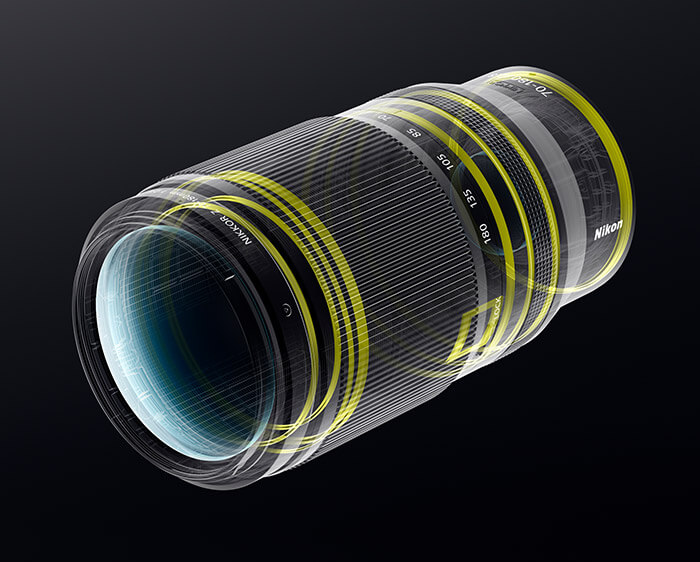
Resists dust, drips and smudges.
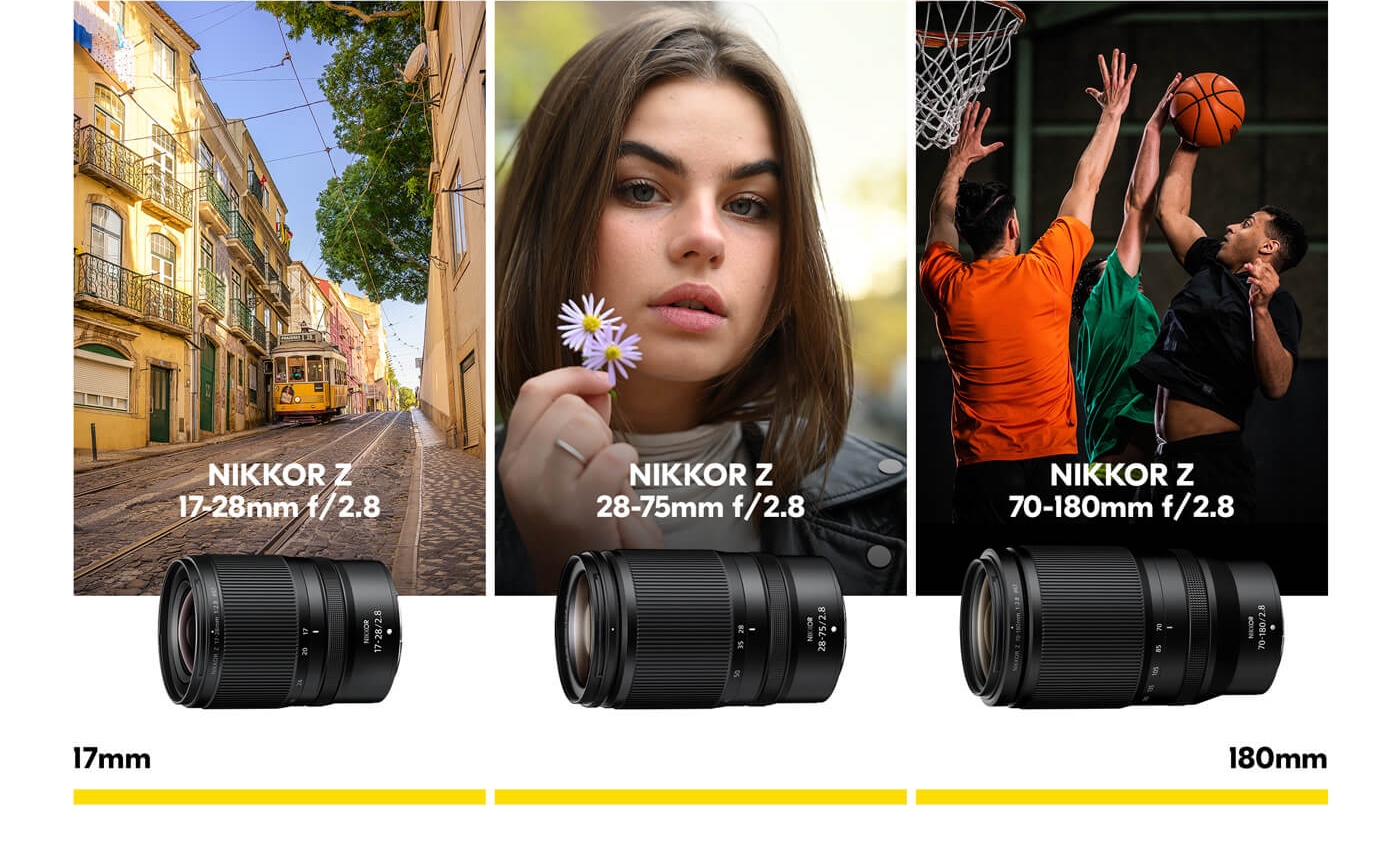
Part of an affordable trio of f/2.8 zoom lenses.
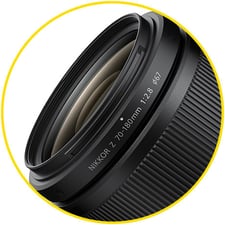
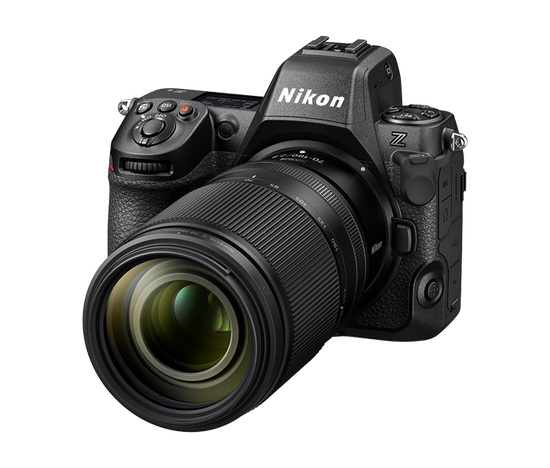
Thoughtfully designed.
Technology

ED (Extra-Low Dispersion) Glass
An optical glass developed by Nikon that is used with normal optical glass in telephoto lenses to obtain optimum correction of chromatic aberrations.
Super ED Glass
Nikon has also developed Super ED glass featuring even lower dispersion properties and extremely high performance in reducing the secondary spectrum, to minimize chromatic aberration even further, as well as other lens aberrations.

Stepping Motor
NIKKOR Z lenses use a stepping motor for fast, accurate, smooth, quiet autofocus with reduced wobbling. This quiet drive system makes the lenses ideal for use when shooting video.

IF Lens
A NIKKOR lens in which only the internal lens group shifts during focusing. Thus, IF NIKKORS do not change in size during AF operation, allowing for compact, lightweight lenses capable of closer focusing distances. These lenses will be designated with the abbreviation IF on the lens barrel.

A/M
A/M stands for Auto-Priority Manual Mode. This mode also enables an easy transition from autofocus to manual during AF operation. However, mode switch sensitivity has been altered to reduce the possibility of sudden unintentional switching to manual focus while shooting.

Electromagnetic Diaphragm Mechanism
An electromagnetic diaphragm mechanism in the lens barrel provides highly accurate electronic diaphragm or aperture blade control when using auto exposure during continuous shooting.

Aspherical Lens
A lens with a curved, non-spherical surface. Used to reduce aberrations and enable a more compact lens size. Aspherical lenses minimize coma and other types of lens aberrations, even when used at the widest aperture. They are particularly useful in correcting distortion in wide-angle lenses and help contribute to a lighter, more compact design by reducing the number of standard (spherical) elements necessary. Aspherical lens elements correct these distortions by continuously changing the refractive index from the center of the lens.
LCD, Video and Photo Gallery images are for illustrative purposes only
Related products