


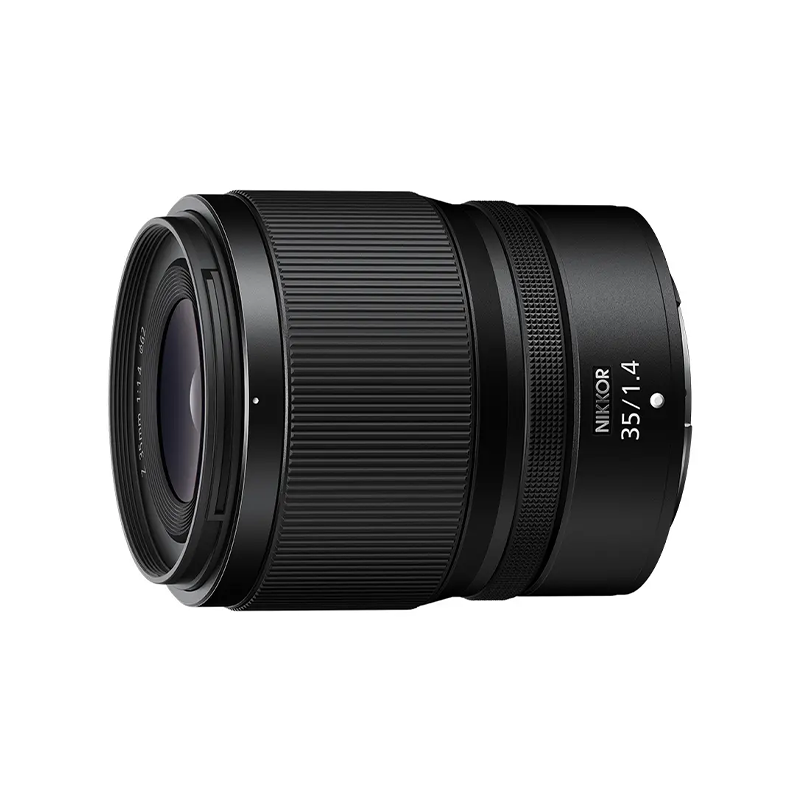
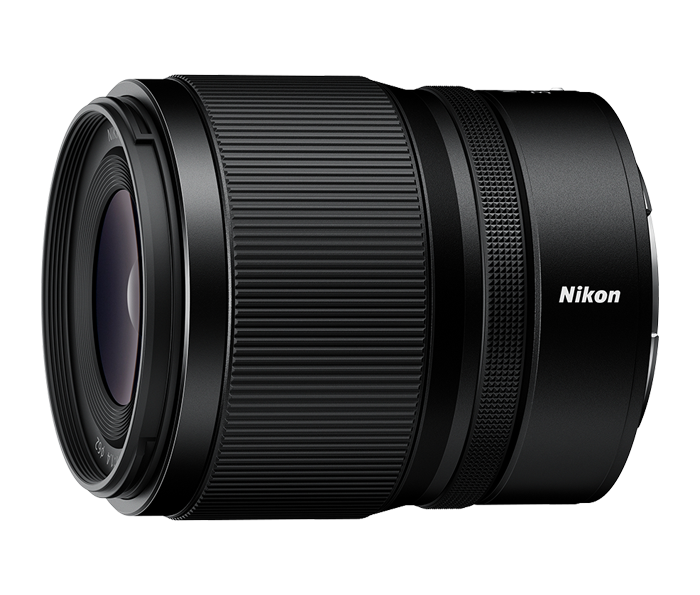
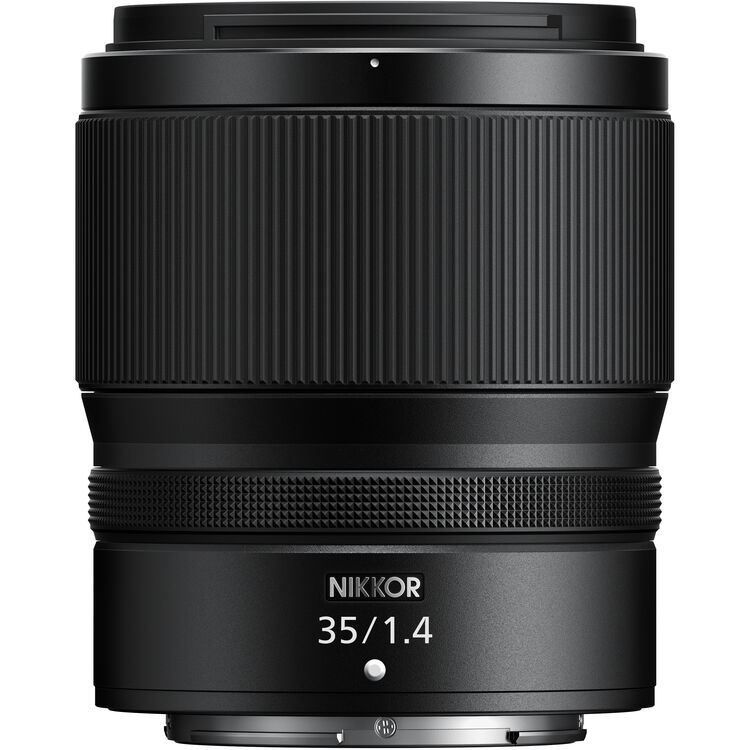
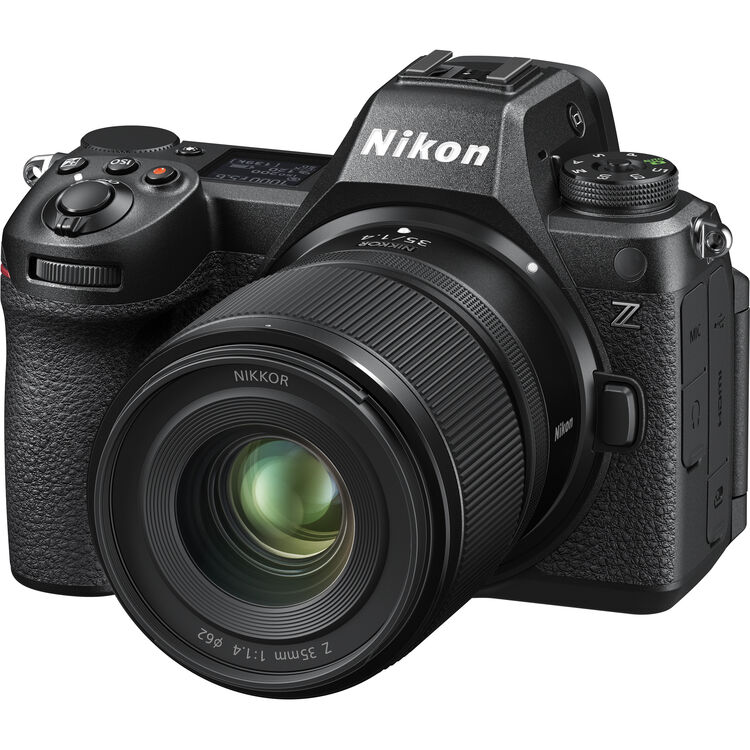
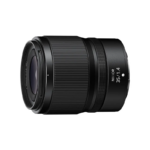
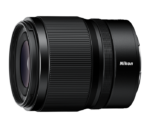
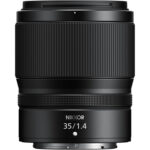
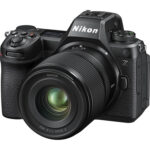


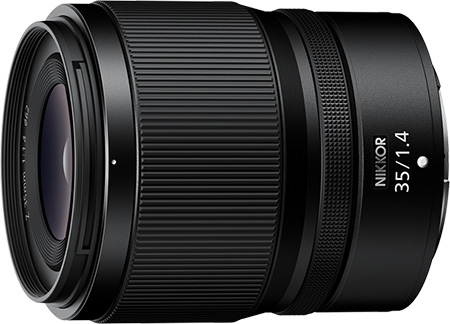
A storyteller’s
walkaround lens.
35mm Natural Wide View
f/1.4 Large Aperture
Prime Fixed Focal Length
Z Mount Full-frame/FX Format
See the whole picture.



Versatile f/1.4 aperture.



A closeness you can feel.

Painterly bokeh.
Low-light freedom.


A workhorse for video.

Suppressed focus breathing.

Fast, silent autofocus.
Clickless control ring.


Take it everywhere.

Compact and lightweight.
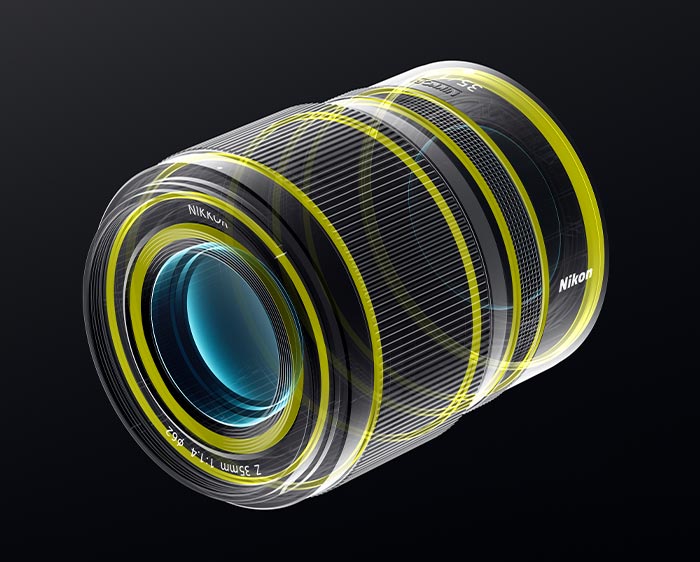
Durable.

Intuitively designed.
Technology

Aspherical Lens
A lens with a curved, non-spherical surface. Used to reduce aberrations and enable a more compact lens size. Aspherical lenses minimize coma and other types of lens aberrations, even when used at the widest aperture. They are particularly useful in correcting distortion in wide-angle lenses and help contribute to a lighter, more compact design by reducing the number of standard (spherical) elements necessary. Aspherical lens elements correct these distortions by continuously changing the refractive index from the center of the lens

Stepping Motor
NIKKOR Z lenses use a stepping motor for fast, accurate, smooth, quiet autofocus with reduced wobbling. This quiet drive system makes the lenses ideal for use when shooting video.

A NIKKOR lens in which only the internal lens group shifts during focusing. Thus, IF NIKKORS do not change in size during AF operation, allowing for compact, lightweight lenses capable of closer focusing distances. These lenses will be designated with the abbreviation IF on the lens barrel.

Electromagnetic Diaphragm Mechanism
An electromagnetic diaphragm mechanism in the lens barrel provides highly accurate electronic diaphragm or aperture blade control when using auto exposure during continuous shooting.

Multi Focus System
In 1967, Nikon developed the world’s first focusing system that effectively suppressed aberrations by moving multiple lens groups (Close-Range Correction System). The multi-focusing system is the evolution of that AF system with which the positions of multiple focusing groups are very precisely controlled, each by its own focusing unit, all of which work together. This system effectively suppresses various types of aberration, even with scenes captured at close distances where aberrations are generally more likely to occur. This enables superior image-formation performance from maximum aperture, regardless of the focal length or shooting distance. It also contributes to faster AF. The multi-focusing system is effective even with fast lenses.
Related products