


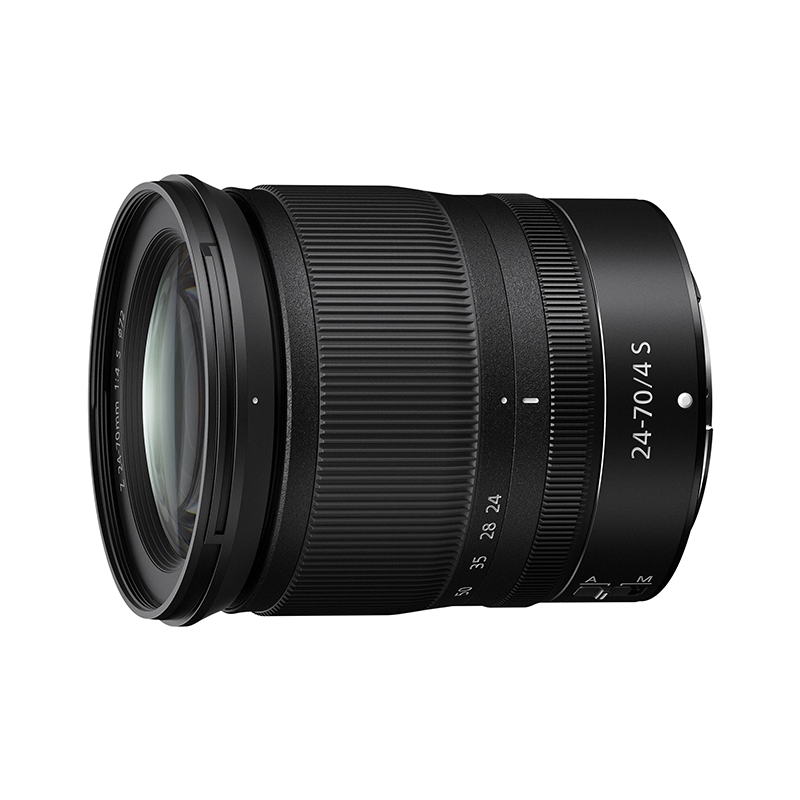
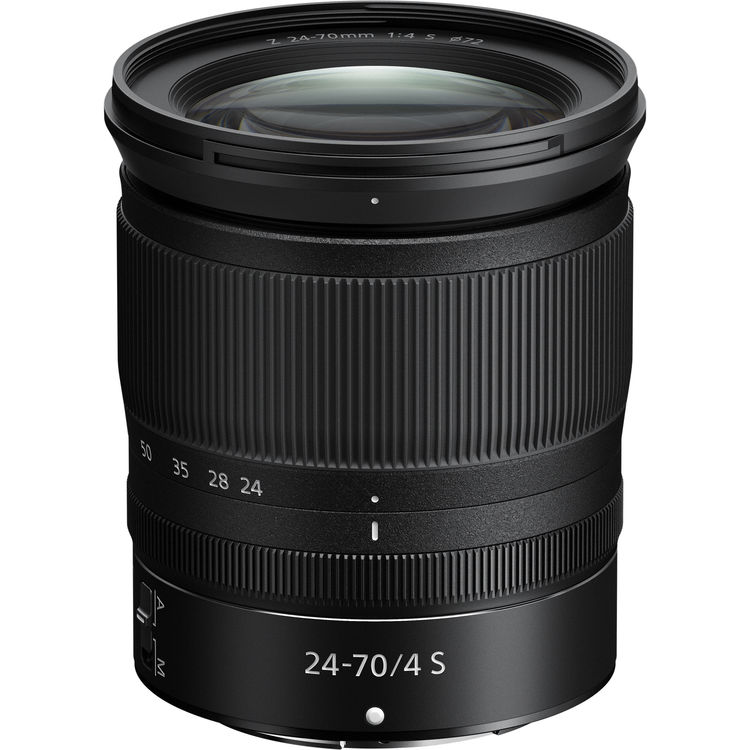
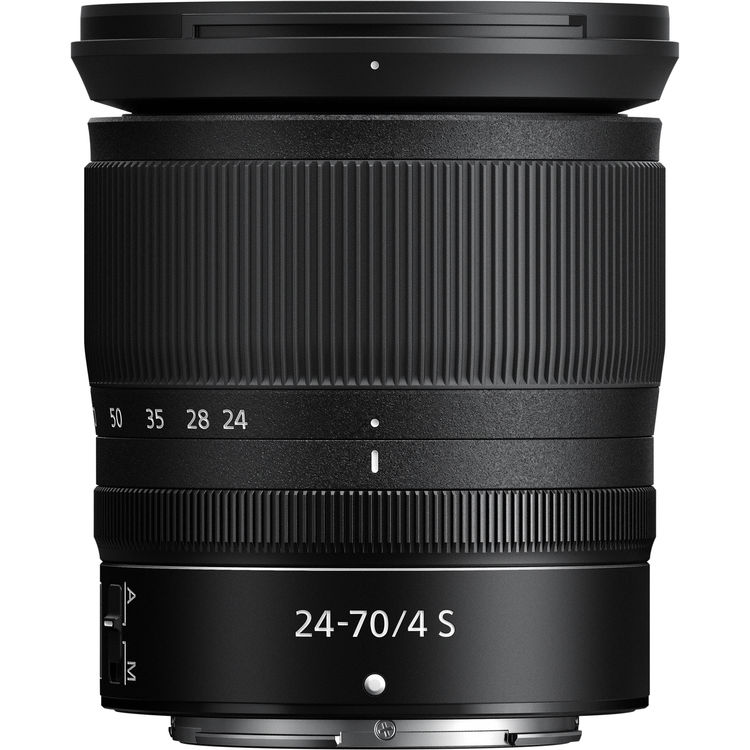
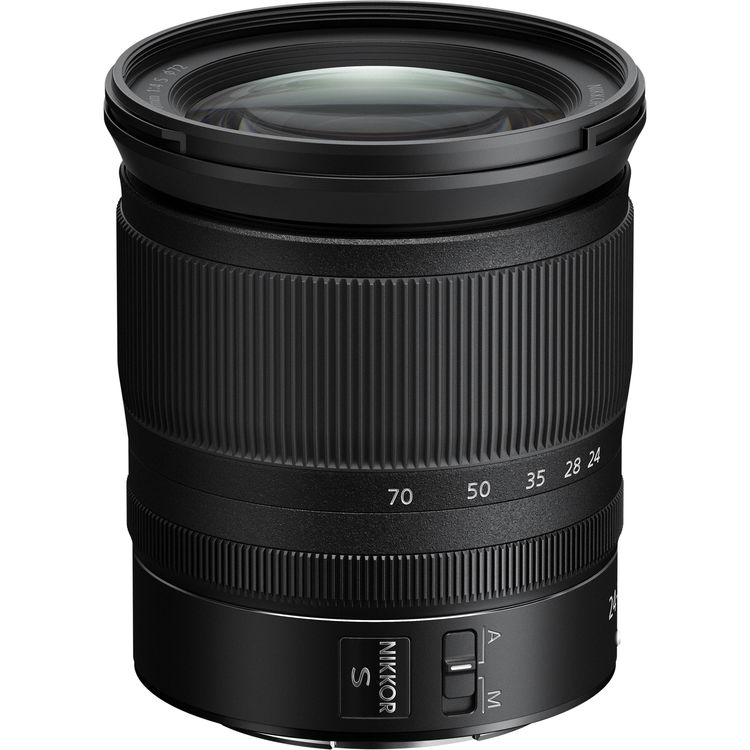
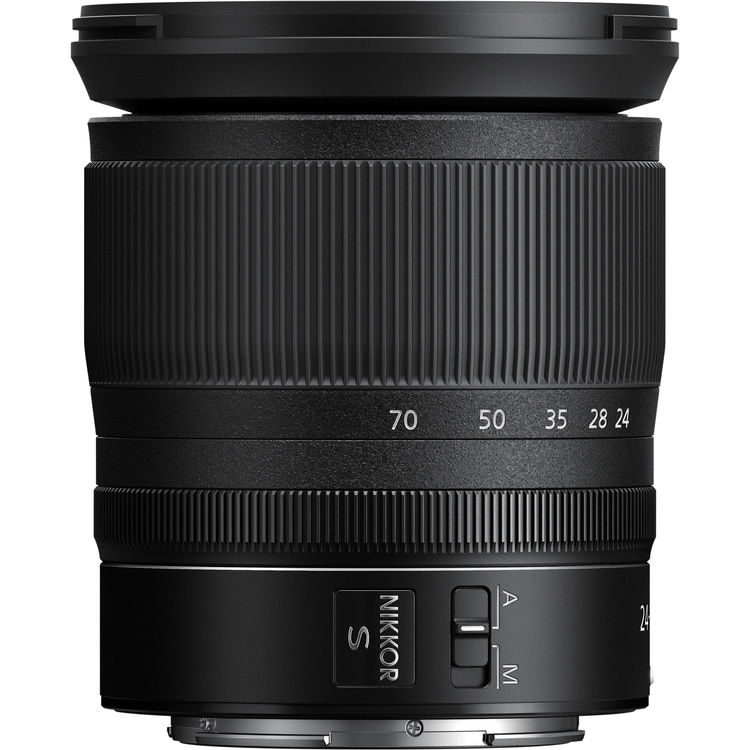
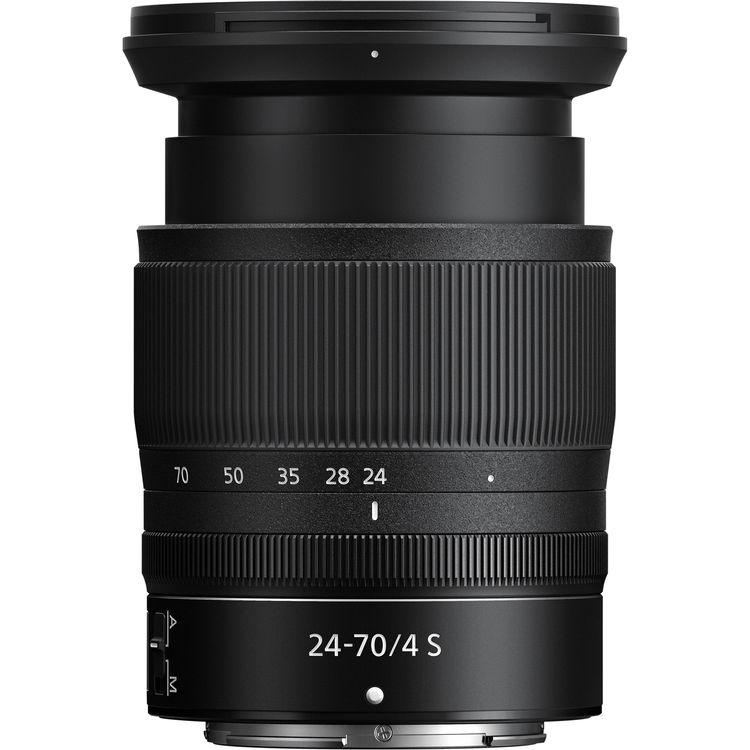
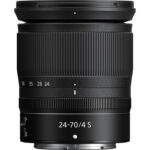
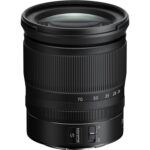
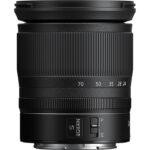
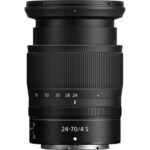


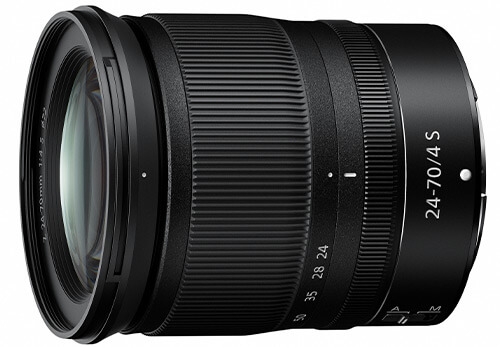
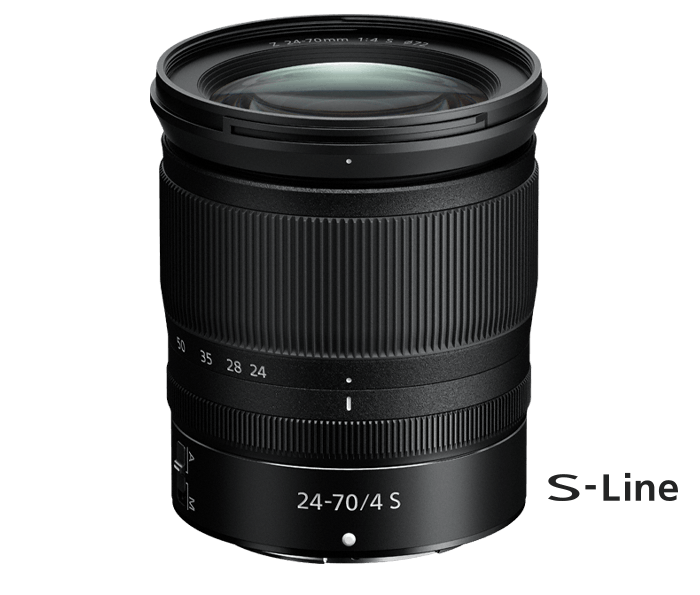
A standard zoom that’s anything but standard.
S-Line

Breakthrough Z system performance

Consistently brilliant

Not rough around the edges

True to life

Small and mighty

Think small

Dual Detect 5 Axis VR
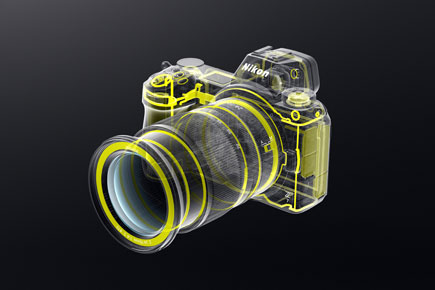
Durable & lightweight

The front line of an imaging revolution

Accuracy abounds

Silent stepping
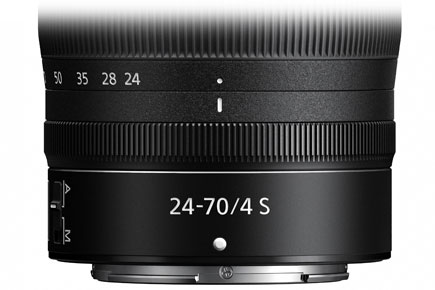
New Customizable Control Ring
Technology

Stepping Motor
NIKKOR Z lenses use a stepping motor for fast, accurate, smooth, quiet autofocus with reduced wobbling. This quiet drive system makes the lenses ideal for use when shooting video.

Aspherical – Extra-low Dispersion Glass Elements
An ED (Extra-low Dispersion) glass element that features the characteristics of an Aspheric glass element for a more compact size lens. Like Aspherical lenses, AS-ED lens elements minimize coma and other types of lens aberrations, even when used at the widest aperture by continuously changing the refractive index from the center of the lens. The AS-ED lens elements are optical glass developed by Nikon to obtain optimum correction of chromatic aberrations.

Aspherical Lens
A lens with a curved, non-spherical surface. Used to reduce aberrations and enable a more compact lens size. Aspherical lenses minimize coma and other types of lens aberrations, even when used at the widest aperture. They are particularly useful in correcting distortion in wide-angle lenses and help contribute to a lighter, more compact design by reducing the number of standard (spherical) elements necessary. Aspherical lens elements correct these distortions by continuously changing the refractive index from the center of the lens.

Nano Crystal Coat
An anti-reflective coating developed by Nikon that virtually eliminates internal lens element reflections across a wide range of wavelengths. Nano Crystal Coat solves ghost effects caused by red light and effectively reduces ghost and flare caused by light entering the lens diagonally.

Electromagnetic Diaphragm Mechanism
An electromagnetic diaphragm mechanism in the lens barrel provides highly accurate electronic diaphragm or aperture blade control when using auto exposure during continuous shooting.

IF Lens
A NIKKOR lens in which only the internal lens group shifts during focusing. Thus, IF NIKKORS do not change in size during AF operation, allowing for compact, lightweight lenses capable of closer focusing distances. These lenses will be designated with the abbreviation IF on the lens barrel.

Fluorine Coat
Photographers need gear that can withstand the elements. Nikon’s fluorine coat effectively repels dust, water droplets, grease or dirt, ensuring easy removal even when they adhere to the lens surface. Nikon’s fluorine coat endures a high frequency of lens surface wiping and its anti-reflective effect also contributes to the capture of clear images.

Super Integrated Coating
Nikon Super Integrated Coating is Nikon’s term for its multilayer coating of the optical elements in NIKKOR lenses.
LCD, Video and Photo Gallery images are for illustrative purposes only
Related products